openBuilding
OpenBuilding.ca is a new Canadian Not for Profit (est. 2024), started by Architects (OAA, OAQ), engineers and other design professionals that have created a new, low-cost, high-fidelity and open-source framework for the OBJECTIVE rating of carbon emissions and energy performance of buildings both new and existing. This community-powered initiative features wbLCA, BIM and BEM workflows, calculators, software, APIs, plug-ins, ideas, details, drawings, best-practices guides and professional articles in the spirit of advancing the ecological and resource efficient design in the AEC sector with a current focus on Canada (our tools are in metric) and abroad. This project has been made possible thanks to the generous support of the Ontario Association of Architects and our corporate sponsors and participants like YOU! Thank you for your support.

-

OBJECTIVE 4.012 ~ Now Available in BETA
OpenBuilding OBJECTIVE: A Free Early-Stage Energy Modelling Tool That Actually Works Canada wastes $44.6 billion annually** on building energy inefficiency—more per capita than any country on Earth. Despite decades of voluntary standards, expensive certifications, and complex modelling software, the performance gap between modelled and actual building energy use can vary by an incredibly wide margin. …
-

Domestic and Service Hot Water Use (DHW, SHW)
Summary of Canadian Domestic Water Heating Research (Using kWh) Based on the 2005 CBEEDAC report “Domestic Water Heating and Water Heater Energy Consumption in Canada” (Aguilar et al., 2005), alongside recent findings from Abdeen et al. (2020, 2021), we have reviewed our OBJECTIVE framework’s domestic hot water (DHW) energy consumption model (values expressed in litres…
-

TEUI T.10 Thermal Energy Demand Intensity (TEDI)
Flashes of insight aren’t that common. And when they do occur it’s easy to miss them, dismissing our intuition over what may be well-maintained orthodoxies, even if incorrect. But we can’t doubt our hunches when they unrelentingly demand our sustained attention. Such was the case while poring over about 3,000 lines of javascript code in…
-

OBJECTIVE TEUI3 and Occam’s Razor
Embracing Parsimony: The OBJECTIVE TEUI 3 Calculator’s Simplicity in Architectural Energy Models Occam’s Razor, the principle often attributed to the medieval philosopher William of Ockham, advocates for simplicity: where the simplest solution is usually the correct one. This philosophical approach has profound implications across various fields, from physics to economics, and architecture and energy modeling…
-
The Energy Model vs The Real World
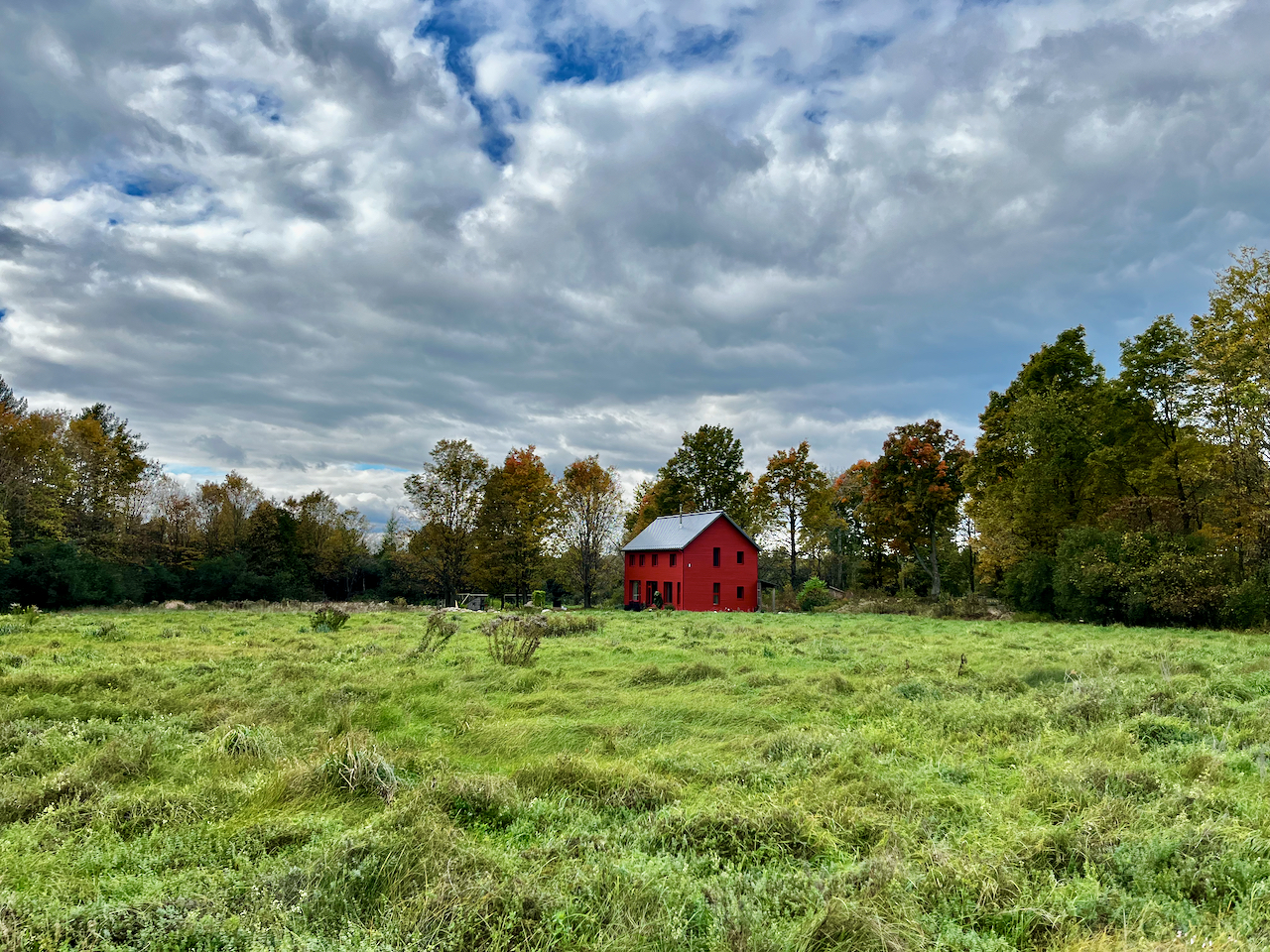
After 2 years of living in our cold-climate Passive House, how is its real performance measuring up to the energy model used during the building’s design phase? An energy model is a digital replica of a building that simulates heat gains and losses based on the building’s characteristics and climate. It allows us to optimize…
-
TEDI and Ventilation, the tail that wags the dog
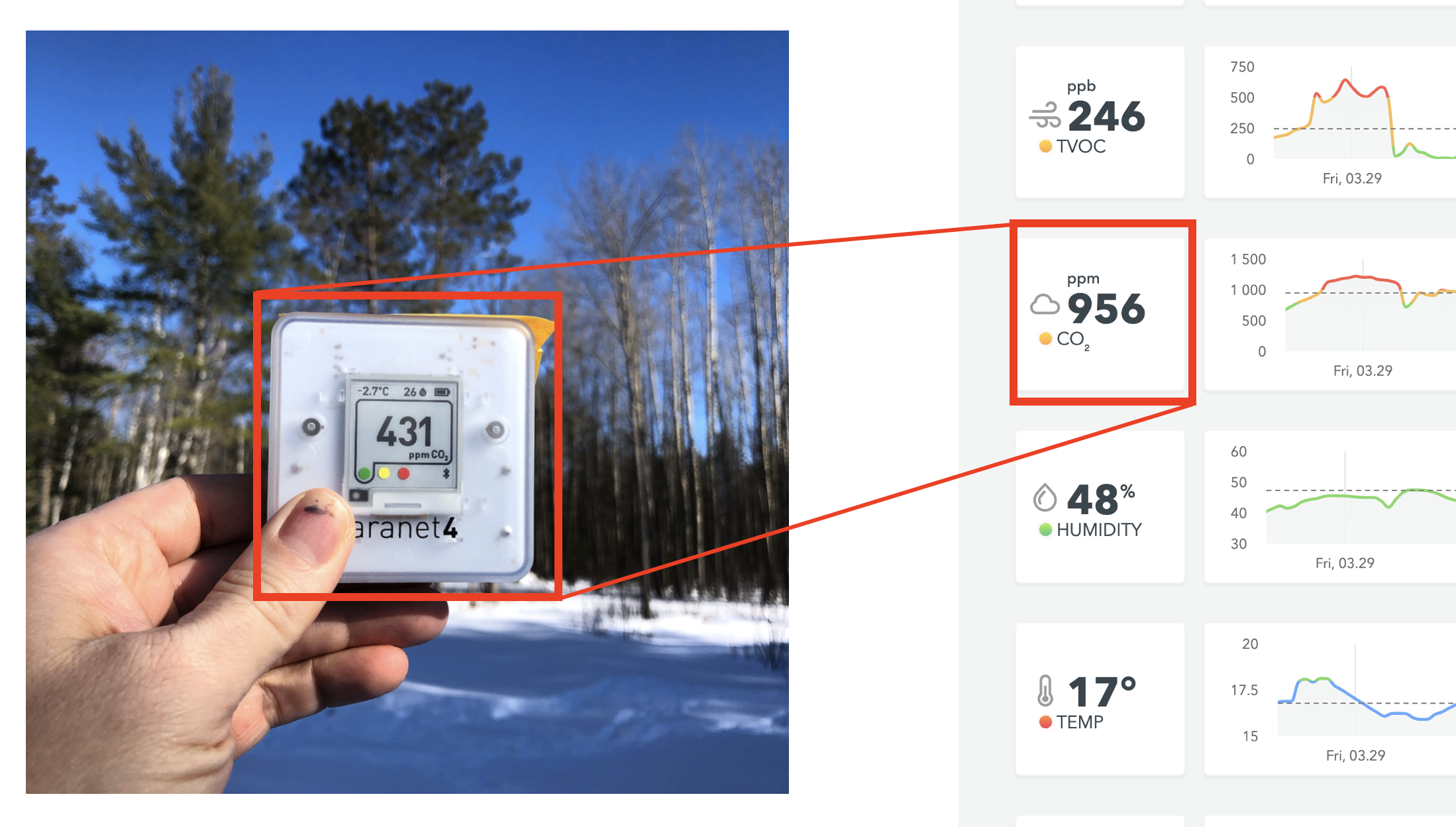
I will keep this post as short as possible because it is complex, and because it is complex I’ve made a calculator. Without discussing the dynamic interplay of 8 key variables pertaining to TEDI and Ventilation, it is impossible to separate facts from opinions. Here’s how I see it: An idling car or truck with…
-

A Brief Note on Airtightness in Canadian Codes
On teaching a course for Passive House Canada for Building Officials last week and today, I was re-introduced to the numerous disparate adoptions of the NECB and NBC model National Codes by the provinces. I have never yet in my career (30yrs) seen such broad disparity. Ontario, my jurisdiction, is clinging hard to the actually…
-

TEUI G.4.1 Net Usable Gains
First of all, if you’re not sure what TEUI3 is, Take me to the Index of Articles! If there is one, single thing that differentiates Passive House Energy Modelling from most other methods, including Hourly, Dynamic modellers, it is probably what is called the Net Usable Gains Calculation. Just semantically, think of a building as…
-

TEUI L.2 Heating and Cooling Degree Days
If you’re not sure what OBJECTIVE or TEUI3 is, Take me to the Index of Articles! Heating and Cooling Days (HDD and CDD, respectively) are an effective shorthand for defining climate-related impacts on heating and cooling loads of buildings. The idea is simple enough, but the units – a mashup of time and temperature –…
Subscribe
Enter your email below to receive updates. Always free, factual and fun. We won’t share your deets with others, and we won’t spam you. You may unsubscribe anytime.